
There’s a specific kind of anxiety that settles in when you realize admission season has begun and you haven’t started yet. You’ve been meaning to. You’ve had the school’s name saved in your notes app for three months. And then a neighbour mentions their child already has a seat and something shifts — that quiet urgency that parents know well.
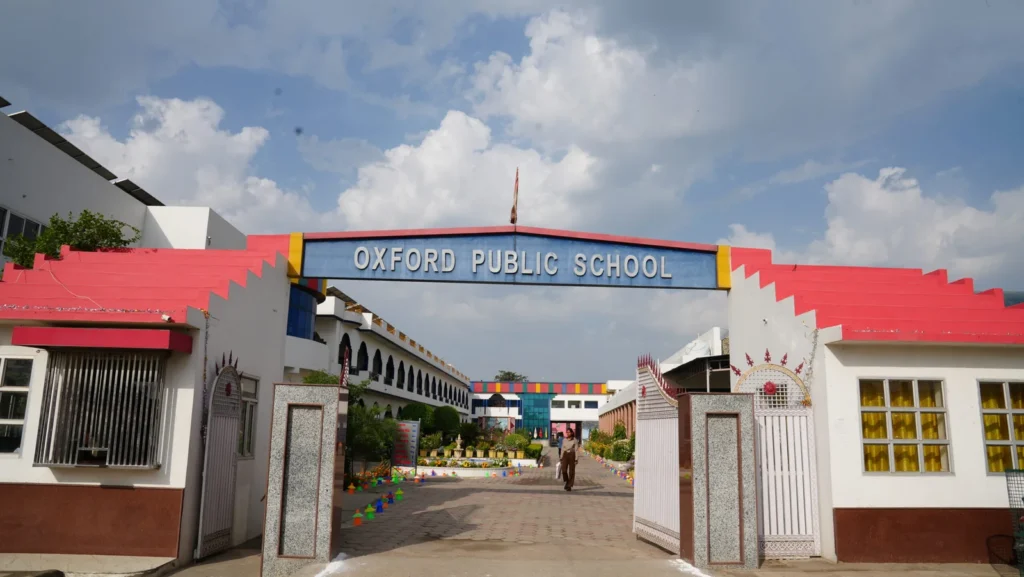
If you’re reading this now, you’re still in time. But not infinitely in time.
Admissions are open for 2026 across CBSE-affiliated schools, and the window for most schools — especially the ones with strong academic programs — is shorter than people expect. This guide is for parents who are ready to move, and need to understand exactly what moving looks like. Parents should begin the Admission Open 2026 – Apply Now process without delay.
Admission Open 2026 – Apply Now process includes filling application forms, submitting required documents, attending interaction rounds, and confirming admission through fee payment.
Admission Open 2026 – Apply Now: Complete Process and Important Details
Every year has its own texture. The 2026 cycle is notable for a few reasons. Post-pandemic enrollment patterns have stabilized but school seat availability in urban centres remains tight. Schools that once had comfortable buffers are now oversubscribed in certain grades — especially Class 1, Class 6, and Class 11 Science.

Additionally, the RTE Act mandates 25% reservation of seats for economically weaker sections in private unaided schools. These seats fill through separate processes and earlier deadlines in many states. If you’re eligible, those timelines are different from the general merit/first-come process.
Knowing which category applies to your family, and moving accordingly, is the first step. This makes Admission Open 2026 – Apply Now more important than ever.
Which Classes Have Seats Open — And Which Don’t
Not all grades have equal availability. Here’s what the general pattern looks like for most established CBSE schools:
• Nursery / LKG / UKG — Applications typically open in November-December for the following academic year. If you’re reading this in early 2026, some schools have already closed these
• Class 1 — Closely tied to the nursery cycle. Most schools have already begun interviews or lotteries. Apply immediately if you haven’t
• Class 2 to Class 5 — More fluid. Schools often have a few seats available from student transfers. Worth enquiring directly
• Class 6 — A major transition year. Many schools open fresh seats here as they begin their middle school intake. This is often the best window for lateral entry
• Class 11 — Stream-specific. Science seats fill fastest. Commerce and Humanities have more room. Most schools begin accepting applications after Class 10 results
If you’re looking at a specific class and a specific school, call them. Don’t rely on the website alone — many schools update their online portals inconsistently. Understanding seat availability is key in Admission Open 2026 – Apply Now.
The Application Process — Step by Step
The school admission process for 2026 follows a broadly consistent pattern across CBSE schools, though specifics vary. Here’s what to expect:
• Step 1 — Collect the application form. Most schools now offer online forms on their official website. Some still require an in-person visit to collect the physical form, often for a nominal fee.
• Step 2 — Submit with documents. The form goes in with your document set — birth certificate, address proof, photographs, TC and report card if applicable. Do not submit incomplete applications. They will be returned or deprioritized. To know the complete list of required documents for school admission, you can check this detailed guide.
• Step 3 — Interaction or assessment. For younger classes, most schools conduct a parent-child interaction rather than a formal test. For older classes, there may be a written assessment or aptitude check.
• Step 4 — Waitlist or offer letter. After the interaction, you’ll either receive an offer of admission or be placed on a waitlist. Respond promptly — most schools have short acceptance windows.
• Step 5 — Fee payment and enrollment. Once you accept, you’ll pay the admission fee and first-term fees to secure the seat. Keep receipts of every transaction. Following these steps ensures smooth Admission Open 2026 – Apply Now.
To understand the complete admission journey in detail, you can explore this step-by-step guide for parents.

What Schools Look For in 2026 Admissions
For the youngest classes, schools are looking at readiness — social, emotional, physical. Can the child interact with an adult they haven’t met? Do they follow simple instructions? Are they comfortable in a group setting? Nobody expects a four-year-old to read. They expect a four-year-old to be curious.
For older classes, the picture shifts. Schools want to understand academic baseline — not to gatekeep but to ensure the child won’t struggle unduly. They also look at whether the family has realistic expectations about what the school offers. An honest parent-school conversation at this stage saves grief later.
For Class 11, subject combination and board scores from Class 10 drive most decisions. Science streams especially have grade cutoffs, and these are firm. This is an important part of Admission Open 2026 – Apply Now.
Fee Structure — What You’re Agreeing To
When admissions are open, the full picture includes the cost. School fee structures in CBSE schools vary considerably — from affordable neighborhood schools to premium institutions with infrastructure to match.
Typical components of what you’ll pay:
• Admission/Registration fee — One-time, non-refundable in most cases
• Tuition fee — Monthly or quarterly, the primary recurring cost
• Development fee / Building fund — Annual, used for infrastructure
• Activity or co-curricular fee — Covers sports, arts, and events
• Transport fee — If availing school bus, billed separately
Ask for the complete fee breakup before accepting the admission offer. Some schools are upfront about this; others require you to ask specifically. Get it in writing. Financial planning is essential for Admission Open 2026 – Apply Now.

Don’t Miss the RTE Window
If your family income qualifies under EWS (Economically Weaker Section) or LIG (Lower Income Group), you are entitled to free admission under the RTE Act in 25% of seats in private unaided schools. The process is government-managed in most states — applications go through a state portal and seats are allocated by lottery.
The RTE application window is typically earlier than the general admission process. In many states it opens in January-February for the upcoming academic year. If this applies to you, the general admission timeline doesn’t apply — check your state education department’s website for the specific schedule. This plays a major role in Admission Open 2026 – Apply Now for eligible families.
Conclusion
Admissions are open for 2026. That sentence carries weight. It means the window exists — but it also means the clock is running. The best seats in the best schools go to families who are organized, early, and honest about what they’re looking for.
Get your documents in order. Visit the school if you haven’t. Ask the questions that matter to you — not just about results but about culture, about how the school handles a struggling student, about what a typical day looks like. The right school isn’t just the one with the highest board scores. It’s the one where your child will want to go in the morning.
Apply now. The process rewards the prepared. Applying early makes Admission Open 2026 – Apply Now simple and stress-free. Understanding the complete process makes Admission Open 2026 – Apply Now easier for parents. For complete details about CBSE admission timelines, eligibility, and process, you can explore this detailed guide.
FAQs
Q1. Can I apply to multiple CBSE schools simultaneously for the 2026 session?
Yes, and you should. Most schools don’t require exclusivity at the application stage. Apply to your top three to five choices and then decide once offers come in. Paying multiple registration fees is a small cost compared to missing your preferred school’s window.
Q2. What happens if my child is on a waitlist?
Waitlists move — sometimes significantly. Students withdraw, families relocate, seats get freed. Stay in touch with the school’s admission office, respond promptly to any communication, and don’t assume a waitlist is a rejection.
Q3. Is there an age limit for Class 1 admission in CBSE schools?
CBSE mandates that children must be at least 6 years of age as of March 31st of the admission year for Class 1 enrollment. Many schools also set an upper age limit, typically 8 years. Check with each school individually as some have tighter windows.
Q4. Can I apply for mid-year admission to a CBSE school?
Mid-year admissions are possible but limited. Schools may have seats available due to student transfers. You’ll need a Transfer Certificate from the previous school, and the child may need to sit a brief assessment. Contact the school directly — mid-year processes aren’t widely advertised.
Q5. Are online applications as valid as physical ones?
Yes. Most established CBSE schools now accept online applications through their official portals, and these are processed identically to physical ones. Ensure you receive a confirmation email or application number, and keep a copy of everything submitted.